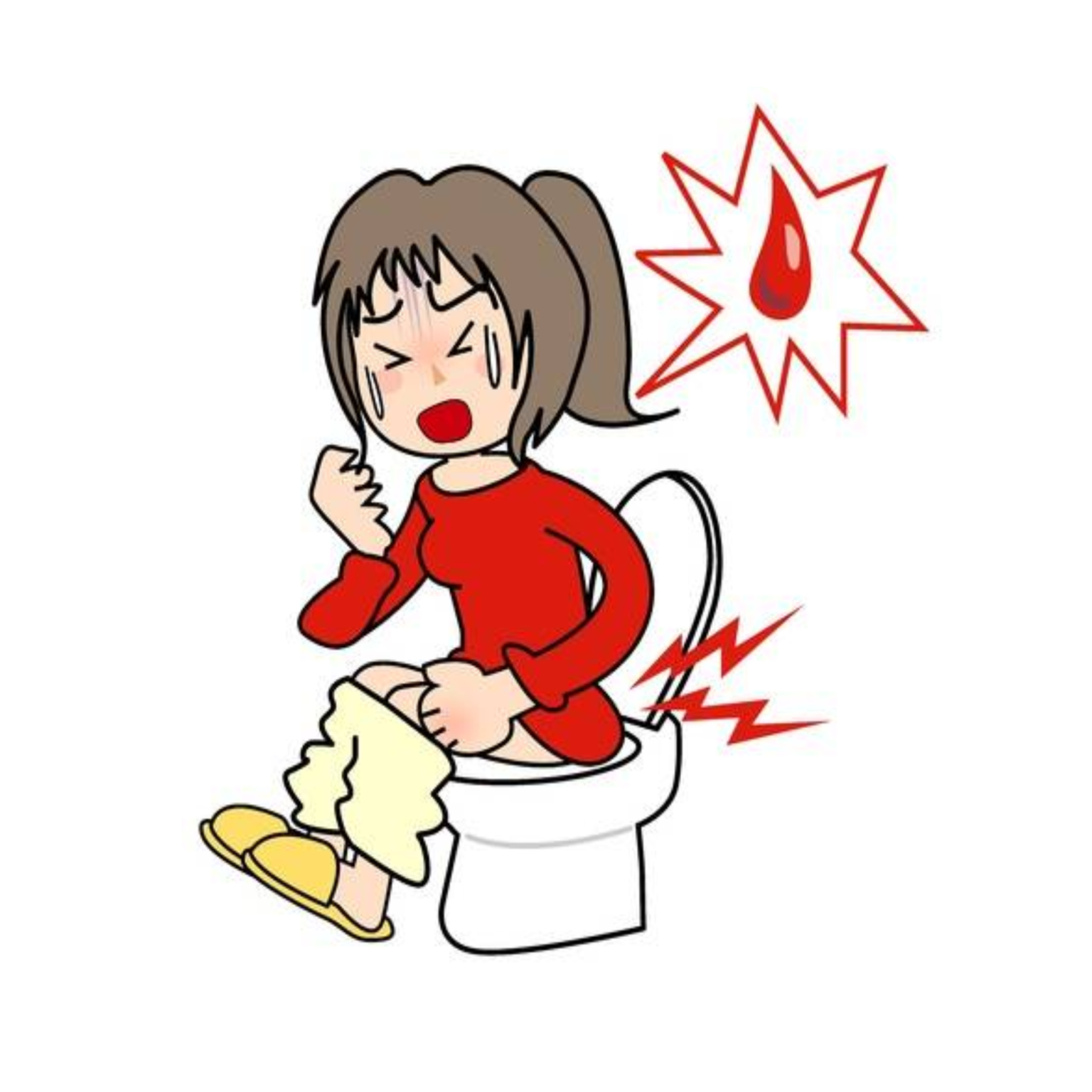
What is Piles (Hemorrhoids)

Piles also known as Hemorrhoids (also spelled as haemorrhoids), are swellings containing enlarged blood vessels that occur inside and around the back passage (anus) and the anal canal.
Hemorrhoids are masses, clumps, cushions of tissue full of blood vessels, support tissue, muscle and elastic fibers in the anal canal. Everyone has hemorrhoids. But when they become too big due to inflammation, piles develops.
Anyone at any age can be affected by piles, though it is more common in people over 45 years of age.
Types or classification of piles
Internal piles form above a point 2-3 cm inside the back passage. They are usually painless and bleeding is the primary symptom.
External Piles are small lumps located on the outside edge of the anus. They are very itchy, uncomfortable, and can be painful if a blood clot forms inside (thrombosis).
Causes Of Piles
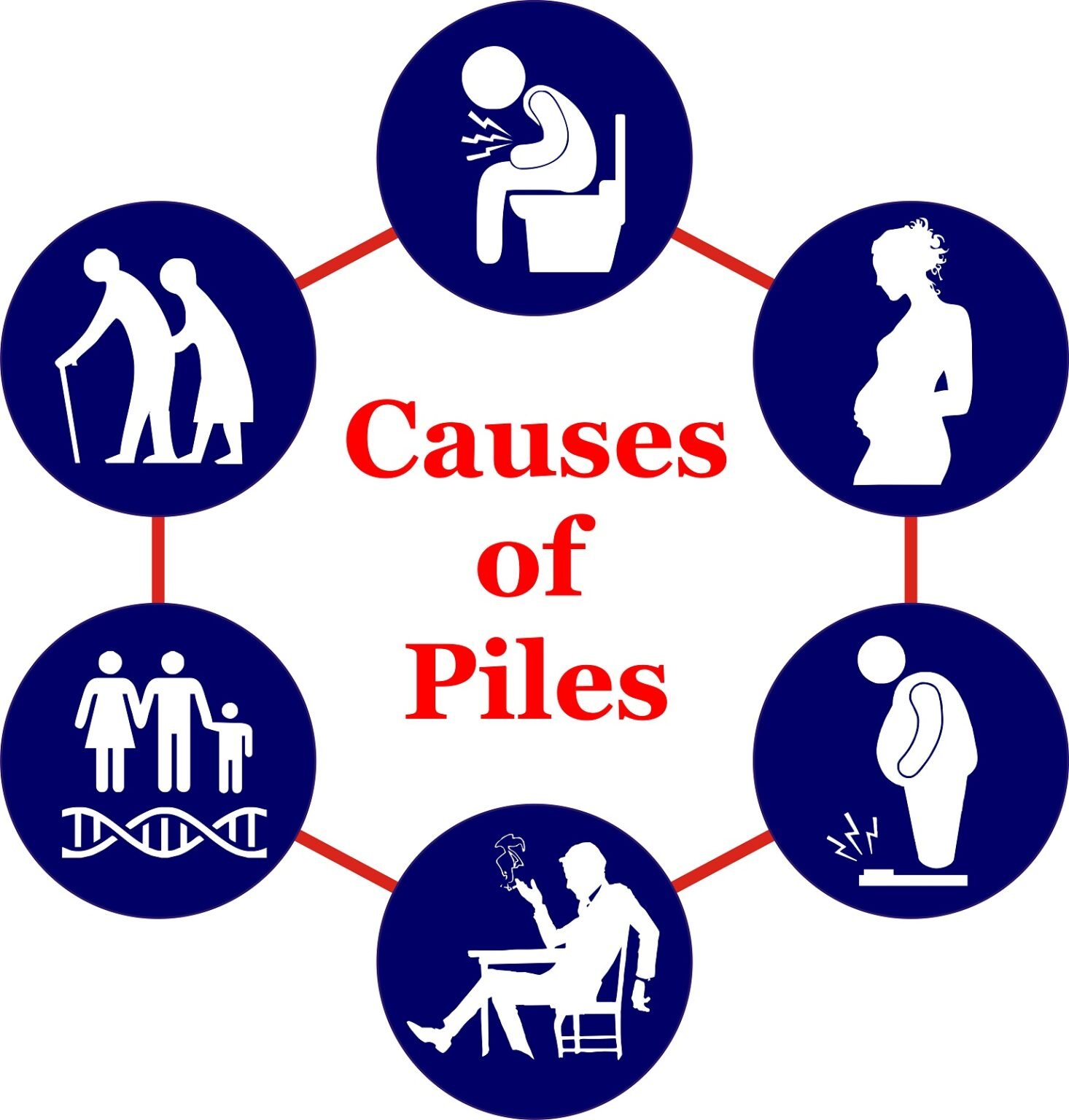
Constipation
Long-term constipation is a primary cause leading to piles.
Pregnancy
Fetus pressure on vascular structures often causes piles.
Obesity
Being overweight increases the risk of developing piles.
Lifestyle
Junk food, low fiber, and low water consumption are major factors.
Symptoms of piles
- Passage of blood along with stool (not mixed).
- Feeling of fullness even after emptying bowels.
- Lumps hanging outside the anus after passing stool.
- Severe pain during standing or walking.
- Itchiness, redness, and discomfort around the anus.